
Are you in North Carolina and looking for individual therapy or parent counseling?
Visit Flip Consulting and Counseling to schedule a free consultation
Written By Edla Prevette
What to Expect After a Sudden Cardiac Arrest: A Spouse and Caregiver’s Perspective
We were on a streetcar in New Orleans, just going about our day, not thinking about anything extraordinary. It was an ordinary day, an ordinary life… until it wasn’t.
Within moments, everything changed. My husband, Jim, collapsed, and suddenly strangers were performing CPR right there in front of me. There are moments in life that split everything into before and after, and this was one of them. One minute we were admiring the homes and trees along St. Charles Avenue, and the next I was standing in the middle of a scene I never imagined would be part of our story. It didn’t feel real… and yet it was happening right in front of me.
The 15–20 minutes between his collapse and the hospital still sit with me in a way I can’t quite shake. It was like time was moving a million miles an hour and in slow motion all at once. I remember flashes… people’s faces on the streetcar, frantically calling out for help, the nurse riding the streetcar that started CPR immediately, a man peering in the window from the outside crying, my hands shaking as I called family and friends. The sweet couple that stayed with me until he was transported to the hospital. Some pieces are clear, others are a blur, but it all sits with me even now.

The First Hours After Cardiac Arrest: Living in the Unknown
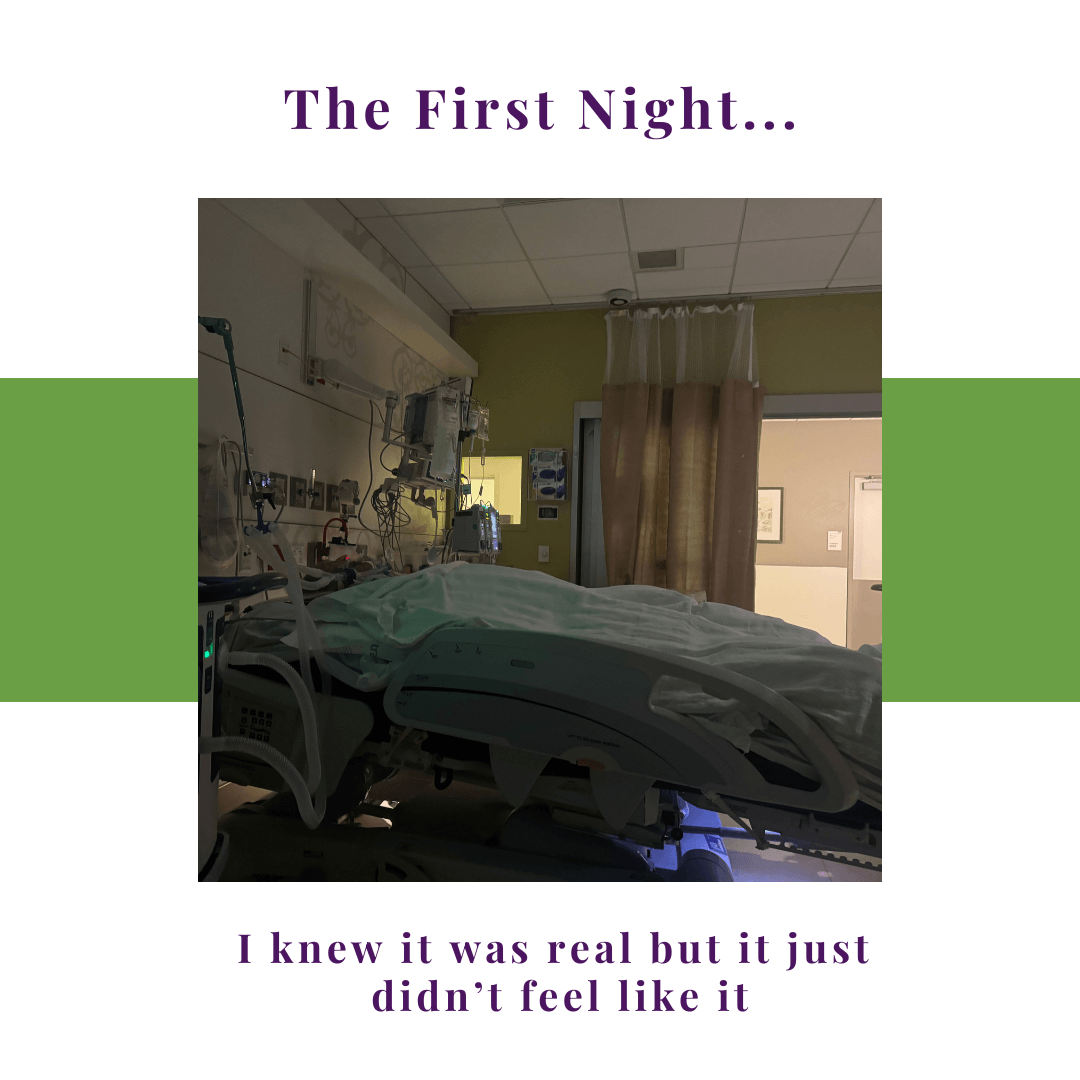
In those first hours, there’s no clear path forward. You’re operating on adrenaline, answering questions, following directions, and trying to make sense of information that doesn’t quite land. I remember feeling disconnected from myself… fidgety, anxious, unable to settle.
Somehow, in the middle of that, I had the wherewithal to call my friend Vickie, a retired nurse, and ask her to listen in on calls with the doctors and take notes. I didn’t overthink it. I just knew I wouldn’t be able to process and remember everything they were going to tell me.
What’s strange is that I wasn’t immediately thinking the worst. I was consumed by the not knowing… not seeing him… not understanding what was happening behind those emergency room doors.
Later, when the doctors said things like “it was touch and go,” “we weren’t sure he was going to make it,” and “it was a widow maker,” that’s when it hit. That’s when I fell apart. Maybe my brain protected me in those early hours so I could function and do what needed to be done.
The People Who Stepped In
One of the most powerful parts of this experience was seeing how quickly people stepped in, often before I even knew what I needed.
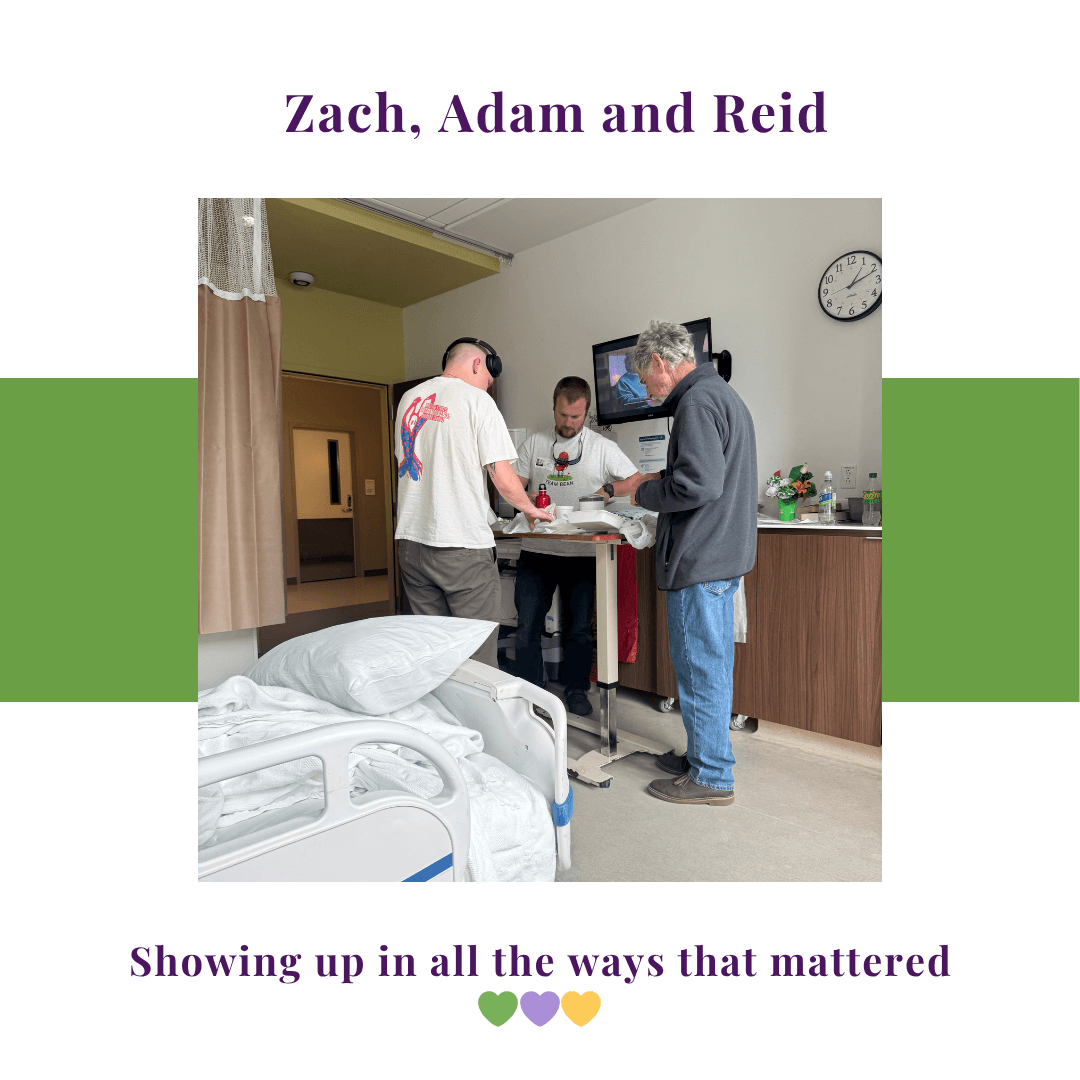
Our boys, Zach and Adam, dropped everything and flew to New Orleans. We took shifts, made decisions, and leaned into each other through something we never expected to face. And in the middle of it, we found moments of fun and humor when we could, because we needed the relief.
My lifelong friend Amanda set up a CaringBridge site and became the point person for communication. She created space for me to focus on what was right in front of me instead of fielding constant questions, and she was also my shoulder to cry on.
Without being asked, our friend Reid flew to New Orleans and became a steady, grounding presence in the middle of chaos. He helped with logistics, navigating the city, and ultimately drove us home to North Carolina, which was no small thing.
And Vickie… she didn’t just take notes in those early hours. She handled things back home—setting up the Airbnb, taking care of our cat, managing our mail, and acting as a point of contact for friends.
There were so many others who rallied around us with support, prayers, and encouragement…texts and calls from people all over the country, financial gifts to help carry the unexpected weight of being away from home, and Jim’s forestry family stepping in before I even knew what I needed. It was humbling in a way that’s hard to fully put into words.
More than anything, this experience showed me how much we rely on the people around us in moments like this. I’ve told my clients for years to build a village of support when caregiving, and ours showed up in ways I’ll never forget.
The ICU After Cardiac Arrest: Where Time Stops Making Sense
The ICU is its own world, and it changes your relationship with time in a way that’s hard to describe unless you’ve been there. The lights are constant, the sounds never stop, and the days blur together in a way that makes it difficult to ground yourself.
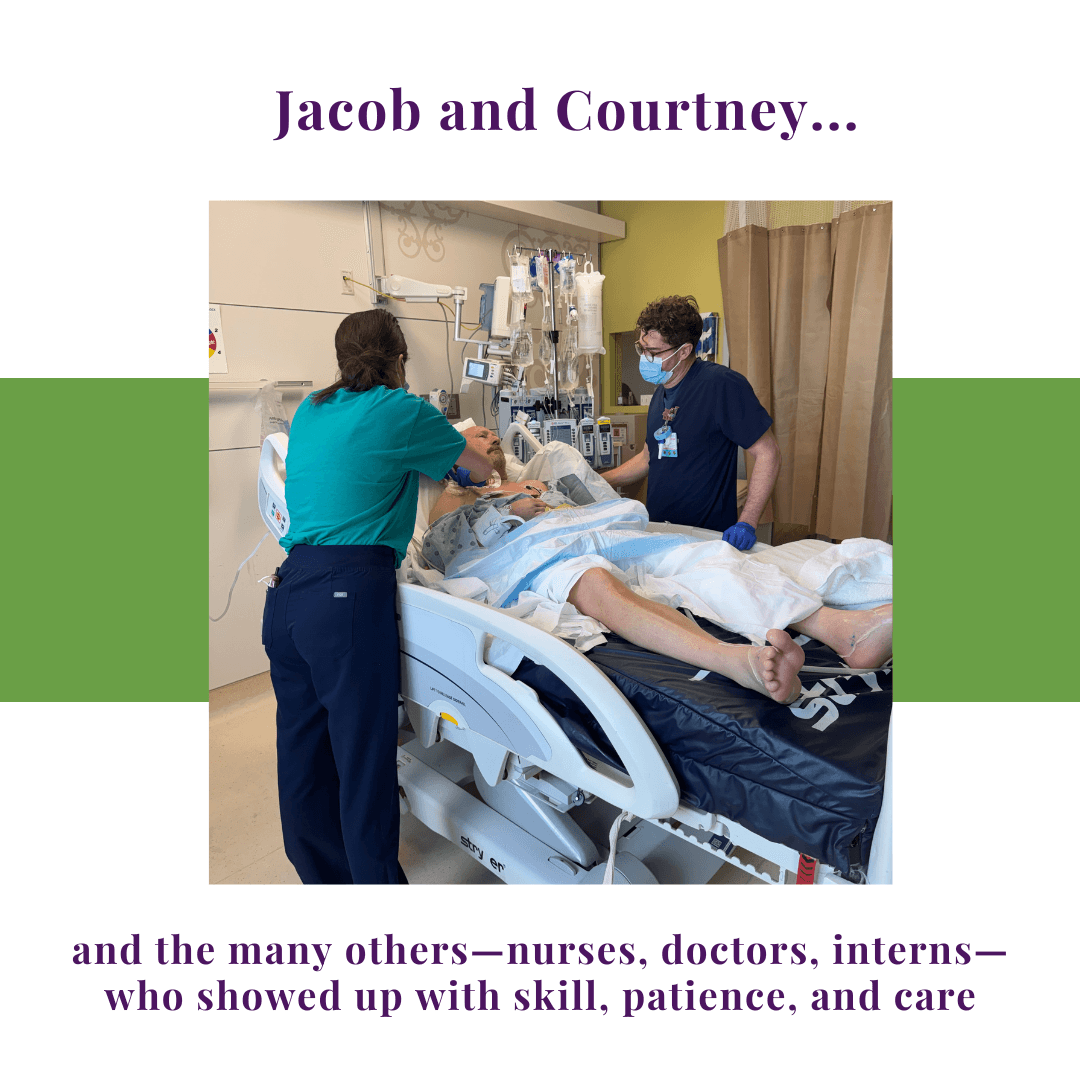
Jim was sedated at first, and then slowly, things began to shift. Medications were reduced, machines were removed one by one, and we started to see small signs of responsiveness.
The medical team was encouraged by his progress, but to me it didn’t come in big, reassuring milestones. It came in inches… a movement, a response, a small step forward that felt enormous in the moment and still somehow not enough.
One thing I knew about but wasn’t prepared to experience was ICU delirium. I understood it clinically and knew it was often temporary, but seeing your loved one confused, disoriented, and not quite themselves is a different kind of heartbreak.
There was always a quiet thought in the back of my mind… what if this doesn’t clear? Even as things improved, everything still felt fragile.
Gratitude and fear were right there together, and neither one was going anywhere anytime soon.
The Shift No One Prepares You For
I assumed the ICU would be the hardest part but in many ways, it wasn’t.
What caught me off guard was the transition out of ICU, when Jim was awake but not fully himself. His body and brain weren’t completely in sync yet, which is common after a cardiac arrest, but knowing that and living it are two very different things.
He wanted to get up and move around, which is very much who he is, but his body simply wasn’t ready. There were moments that were heartbreaking and moments that were unintentionally humorous. Zach, Adam, Reid, and I tag-teamed to stay with him, reorienting and supporting him as best we could.
This was where the reality of recovery really set in. It’s not a straight line, and the phase where someone is “getting better” brings its own kind of strain. This was a different kind of hard… one that required patience, vigilance, and more energy than I expected.
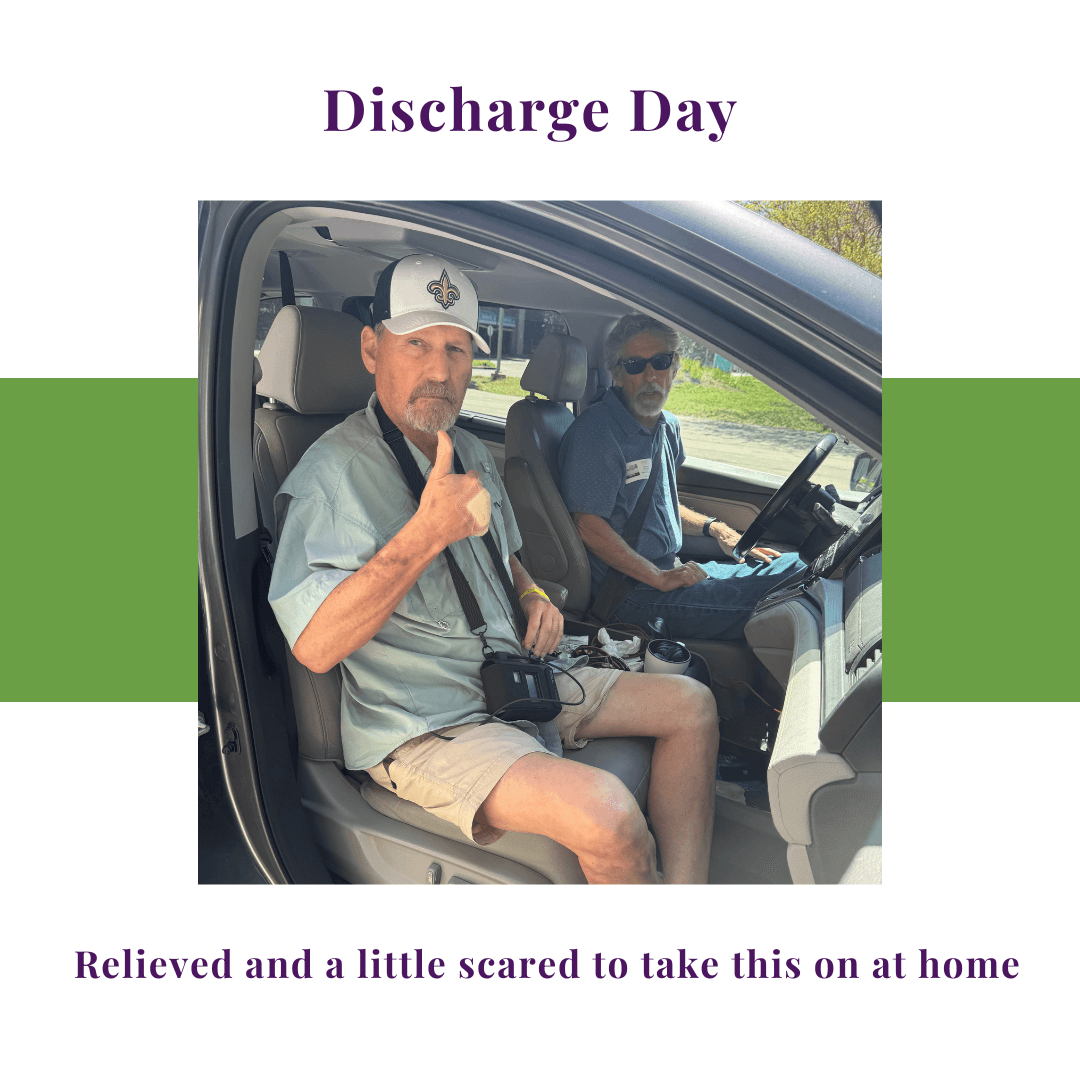
And then came the moment I wasn’t prepared for… “He’s medically stable. You can take him home.” My initial reaction was, there is no way I can do this. How am I supposed to leave this hospital with an external defibrillator, with him still weak and fragile, and get us back to North Carolina?
But with support from Reid and the boys and guidance from the therapy team, we made a plan, and drove home after 12 days in the hospital.
Coming Home After Cardiac Arrest: Why It Didn’t Feel Over
When we finally made it home, I think part of me expected things to settle. Instead, they shifted.
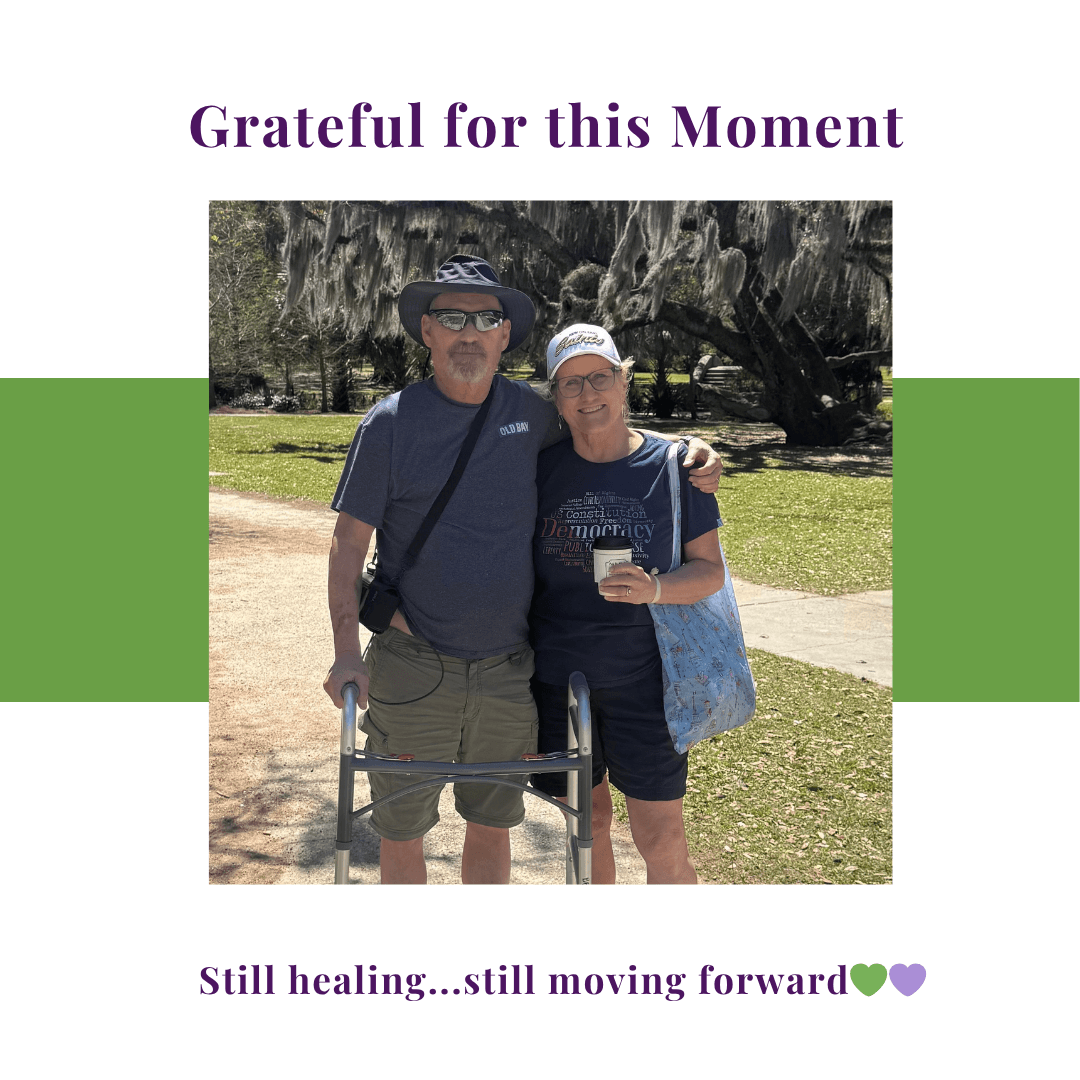
Now we’re navigating follow-up appointments, medications, restrictions, and decisions about next steps. He’s getting stronger physically and mentally, and I can see that progress day by day.
At the same time, I’m realizing how much emotional ground I still have to cover. He experienced a physical trauma, and I experienced an emotional one… and those two things do not heal on the same timeline.
We’ll go out for a few hours to run errands or attend appointments, and then come home completely drained. He’ll take one couch, and I’ll take the other. We’re both exhausted… just in very different ways.
What also became clear to me during this phase is that I didn’t just step into the role of caregiver. I became the care manager.
I’m the one tracking appointments, coordinating information, remembering details, and making sure nothing falls through the cracks.
It’s a role that often goes unseen… but it doesn’t feel that way when you’re the one carrying it.
What This Experience Taught Me
Even with my background as a therapist and years of working with caregivers, this experience brought a level of understanding that only comes from living it.
Here are some of the things that have become very clear to me:
Crisis caregiving and ongoing caregiving are fundamentally different. The adrenaline and urgency of a crisis can carry you through those early days, but recovery requires a completely different kind of endurance.
The liminal space or “messy middle” is where the real work happens. It’s not the moment of crisis or even the discharge home… it’s everything in between, where progress is uneven and patience is constantly tested.
Physical healing and emotional healing do not happen on the same timeline. While Jim is rebuilding strength and stamina, I’m still processing the fear, shock, and intensity of what happened.
You cannot do this alone, even if you’re used to being the strong one. Letting people step in early made an enormous difference in how we navigated this.
There is a significant difference between caregiving and care management. Coordinating, tracking, and making decisions is its own full-time role layered on top of everything else.
Progress often looks small and incremental. It’s easy to overlook those moments, but they are the foundation of recovery.
The crisis may end, but the healing continues longer than you expect. Learning to pace yourself becomes essential.
Where We Are Now
We are home, and we are healing. We’re figuring out what this next chapter looks like, one day at a time.
The crisis itself may be behind us, but the experience is still very much present. And maybe that’s why this part feels important to say…
If you are walking through something similar, whether with a parent, a partner, or someone you love, I hope this gives you a clearer picture of what to expect and a reminder that what you’re feeling is valid.
This is hard… but you don’t have to carry it alone.
If you need 1:1 support don’t hesitate to reach out to me at edla@edlaprevette.com
Sign up here to receive weekly caregiving support, tips and insights and get my free communication and setting boundaries guide💚💜
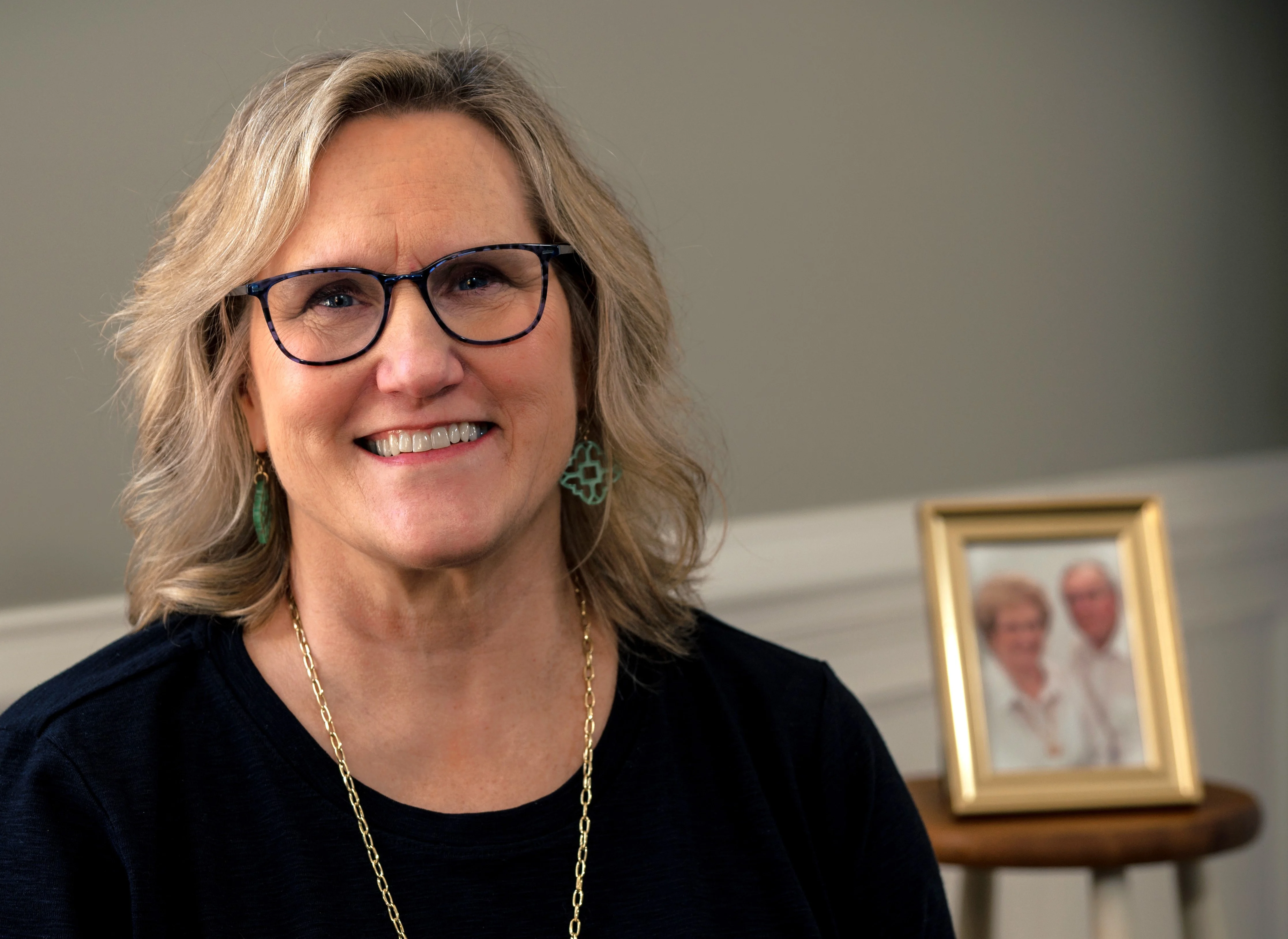
Edla Prevette, is a licensed mental health therapist, coach, speaker, and longtime caregiver.
She spent over a decade caring for her own parents while raising a family and building a career — so she doesn’t speak about caregiving from theory alone. She's lived it.
Edla believes in practical tools, honest conversations, and telling the truth about how hard...and meaningful... this season can be.
NOTE: It's important to remember that aging is a highly individualized process, and the timing and progression of these stages can vary among individuals. Additionally, lifestyle factors, genetics, and overall health play significant roles in how individuals experience aging.
This information is for educational purposes only and is not intended to serve as medical, psychological, or legal advice. Always consult with a qualified healthcare provider or licensed professional for guidance specific to your individual situation.

2024 Edla Prevette | www.edlaprevette.com | Privacy Policy | Terms and Conditions | Affiliate Disclosure